
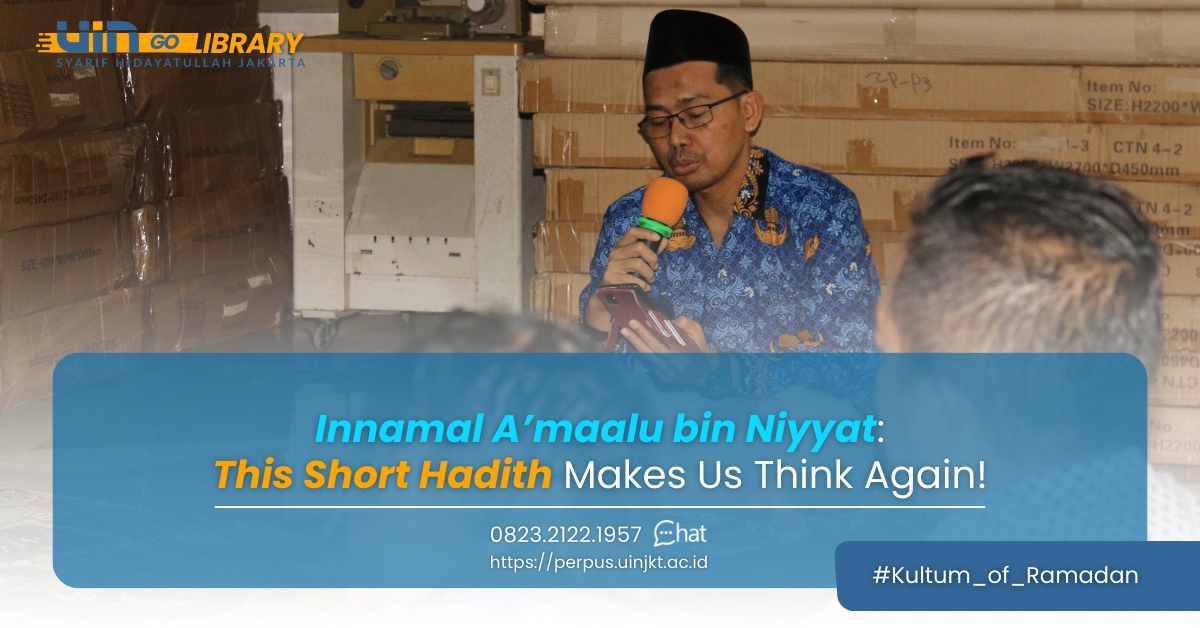
Innamal A'maalu bin Niyyat: This Short Hadith Makes Us Think Again!
- 20 February 2026
- 4 min read
- 1094
-

-

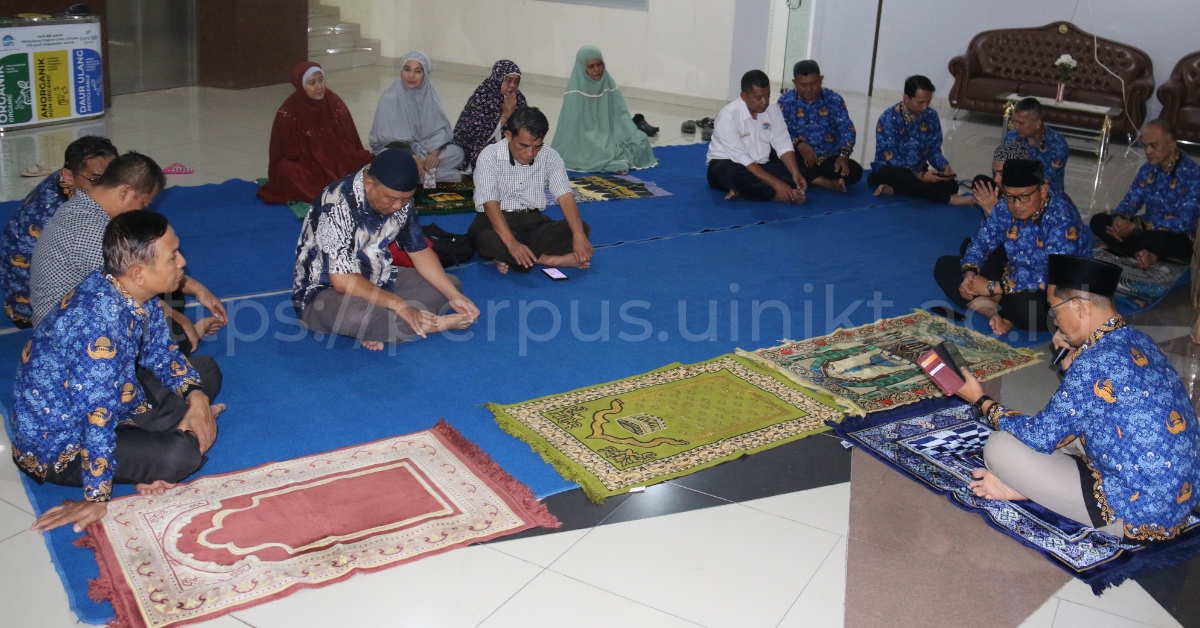
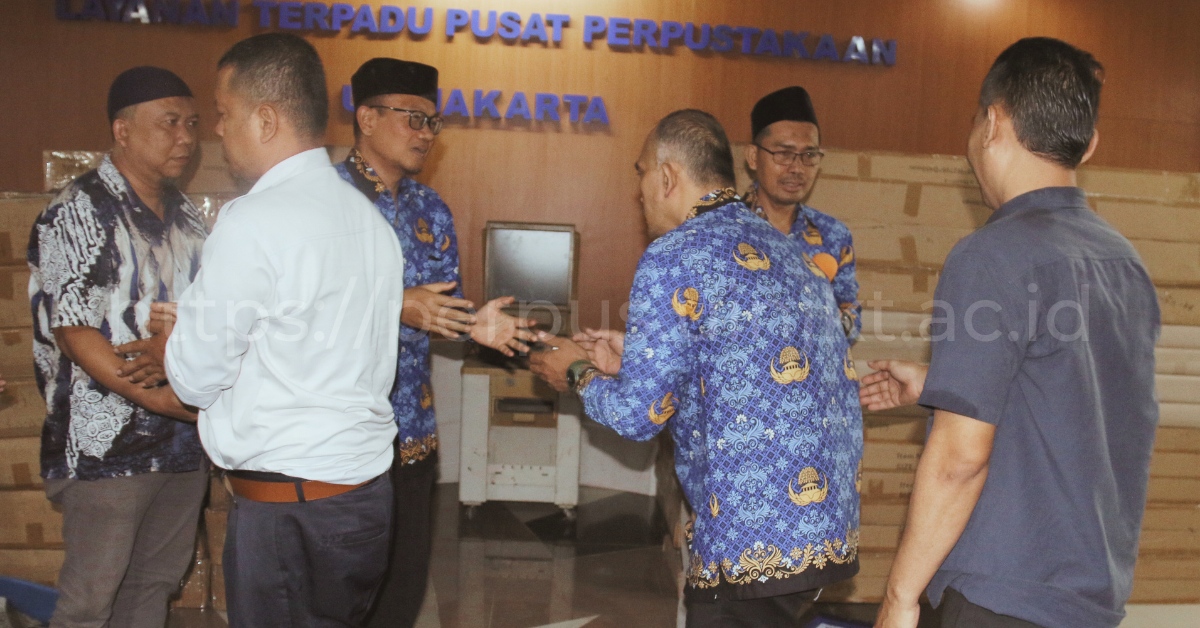
Library Building, UIN Jakarta, Kultum of Ramadan – Ramadan is synonymous with increased worship. Mosques and prayer rooms are busier, almsgiving is more frequent, and recitations of the Quran are longer than usual. However, the atmosphere of Ramadan 1447 Hijri at the Library of Syarif Hidayatullah State Islamic University (UIN) Jakarta feels different.
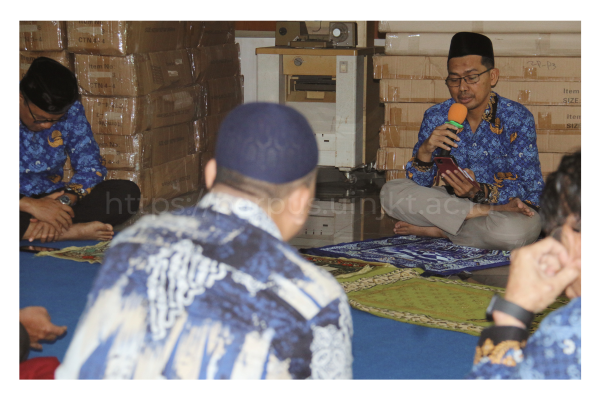
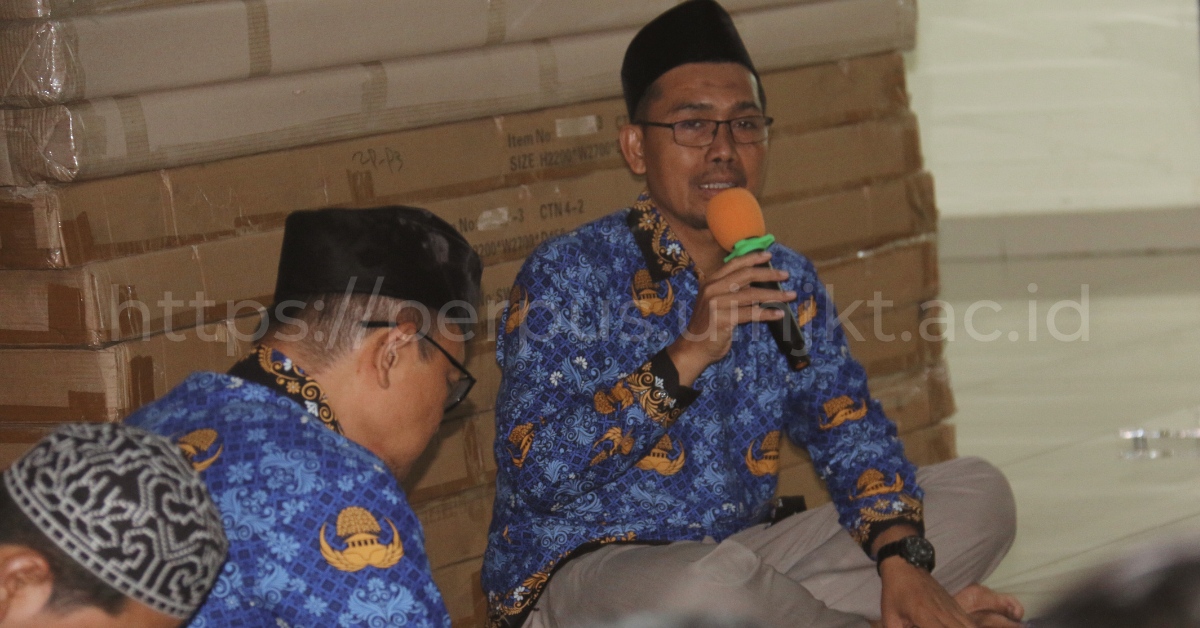
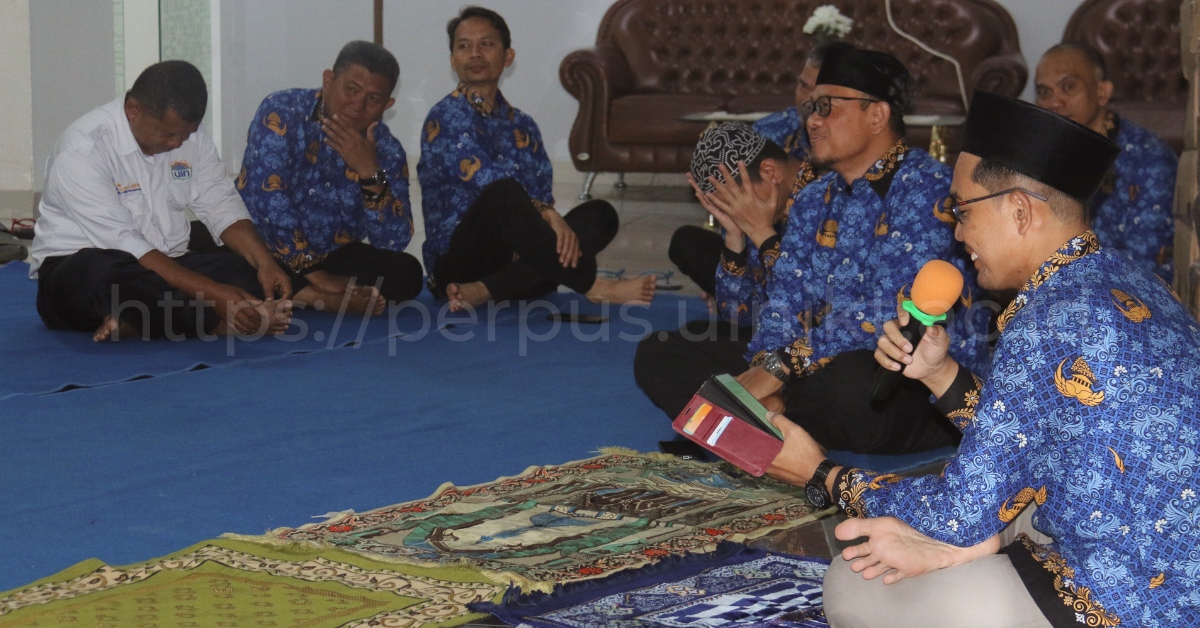
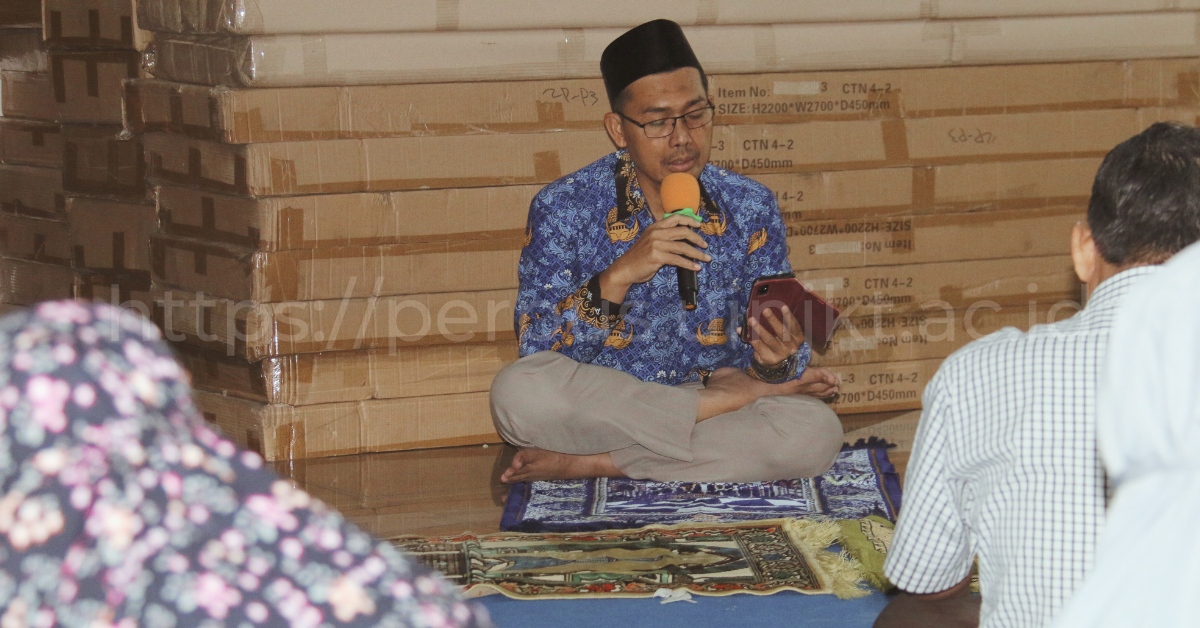
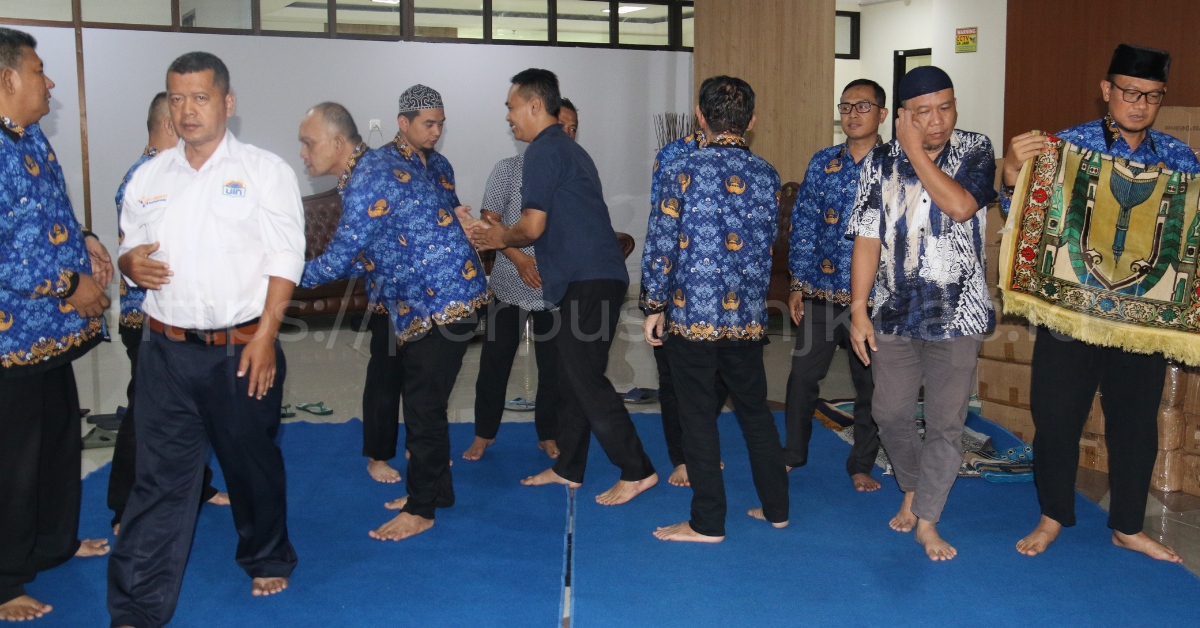
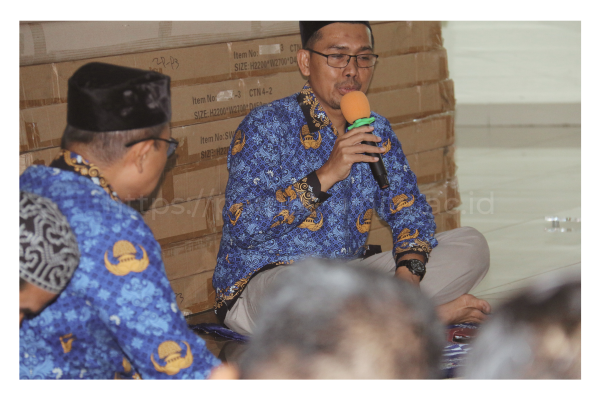 After the midday prayer in congregation, the event continued with a seven-minute Ramadan lecture delivered by the Head of the UIN Jakarta Library, Agus Rifai, on Thursday (02/19).
The theme raised was not about the virtue of fasting or multiplied rewards. Agus Rifai chose the first hadith in the book Arba'in an-Nawawi, the work of the great 13th-century scholar Imam Nawawi (d. 1227 M).
إِنَّمَا الْأَعْمَالُ بِالنِّيَّاتِ، وَإِنَّمَا لِكُلِّ امْرِئٍ مَا نَوَى
“Indeed, all deeds depend on their intentions, and everyone will be rewarded according to their intentions.” (Narrated by Bukhari and Muslim)
The hadith narrated by Umar bin Khattab and recorded in Sahih Bukhari and Sahih Muslim. However, that afternoon, the hadith felt more like a mirror. In his sermon, Agus Rifai emphasized that Imam Nawawi placed the hadith about intention first for a reason. "Intention is the foundation of all deeds. Without the right intention, worship can lose its spirit," said Agus Rifai.
Furthermore, according to him, during Ramadan, when the intensity of worship increases, questions about intentions become even more relevant. “This Ramadan, we may be busy doing more good deeds. But we must not forget to improve our intentions,” said Agus Rifai.
The atmosphere suddenly fell silent
Agus Rifai explained that without the right intention, prayer can be nothing more than physical movements. Fasting can be nothing more than hunger and thirst. Even charity can turn into an opportunity for self-promotion. “If charity is the body, then intention is its soul. Without intention, charity is nothing more than movement. With intention, charity becomes worship,” said Agus Rifai.
 That sentence was simple, but touching.
Agus Rifai then continued his message and invited us to look at the broader reality. He gave an example: Two people can do the same activities —teaching, working, donating, leading. However, their value in the eyes of Allah can be very different.
The reason for the former is Allah.
The reason for the latter is reputation.
The reason for the former is trustworthiness.
The reason for the latter is ambition.
Outwardly the same, but inwardly different. This message illustrates the spiritual dimension of Islam, which judges not only actions, but also the motives behind them. In Islamic scholarship, intention is even regarded as a determinant of a person's moral quality.
Amidst the culture of social media and personal branding, the hadith about intention seems to serve as a moral alarm. Many religious activities are publicized, and many good deeds are displayed. However, Islam, through this hadith, directs our attention inward.
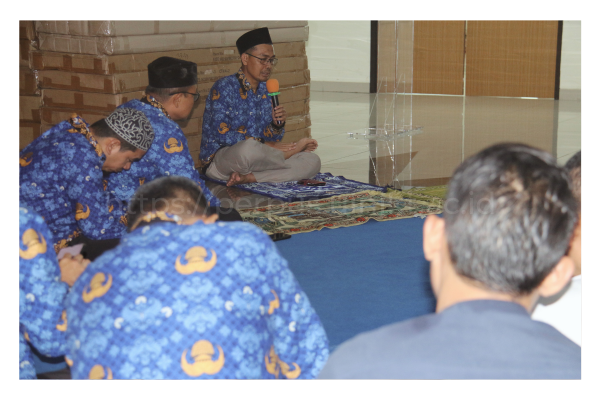 Ultimately, the religious lectures and congregational midday prayers held by the UIN Jakarta Library became a space for reflection amid the hustle and bustle of campus life. It was not only about ritual worship, but also integrity and sincerity in work, study, and service.
The hadith Innamal A'maalu bin Niyyat is indeed brief. However, behind its simplicity lies a profound message: the quality of a person's life is not determined by the amount of good deeds they do, but by the sincerity of their intentions.
Ramadan is indeed a month for increasing good deeds. But perhaps, as implied in that afternoon's sermon, Ramadan is also a month for refining one's intentions. Because ultimately, in this holy month of Ramadan, the most important question is no longer “how much have we done?” but rather “have we refined our intentions?”
(Contributor: Rizki Mulyarahman; Documentation: Rizki Mulyarahman; Editors: Agus Rifai/Rizki Mulyarahman)
(Documentation, February 19, 2026)
For news updates and further information, please visit:




